
I’ve spent over a decade mapping player journeys across loyalty tiers and lifecycle campaigns, and the same pattern shows up in the casino floor data: punters chase the wrong numbers when they don’t understand the maths behind a craps odds bet calculation. The house edge on pass line bets sits around 1.41 per cent, but backing that wager with a genuine odds stake drops the blended edge dramatically, sometimes below 1 per cent depending on the multiple you take. That’s the whole point of this piece – not a flashy pitch, just the arithmetic you can actually use when the table gets busy as a Darwin markets stall on a Friday arvo. If you’re weighing up how a modern digital table handles the same kind of transparent pricing, you can spin through a quick demo at https://jamminjarsdemo.net/ and see how the layout keeps the maths visible before you commit any credit.
How the Numbers Stack on a Standard Point
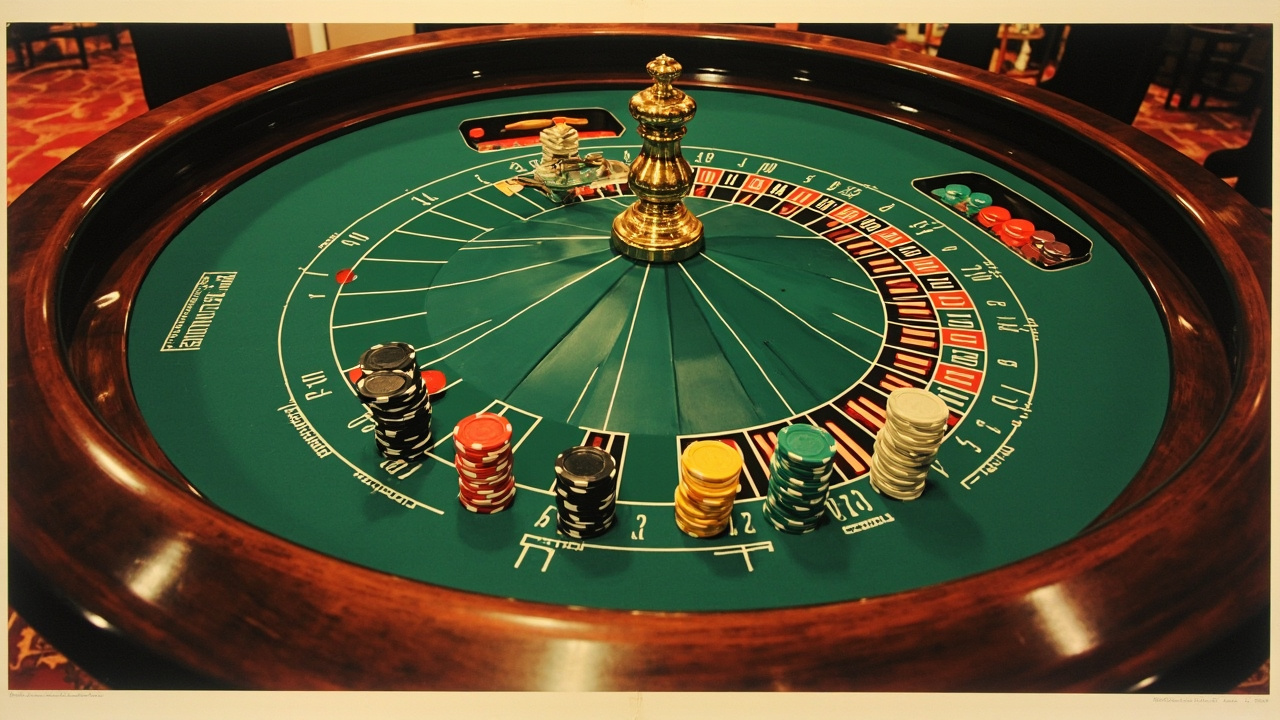
The core mechanic is straightforward once you strip away the table chatter. A pass line bet wins on a natural 7 or 11, loses on 2, 3 or 12, and otherwise sets a point that must repeat before a 7 rolls. The real value comes after that point is locked, because the casino lets you place an additional odds stake behind the line at true mathematical odds rather than a fixed payout. On a four or ten, the true odds are 2 to 1, so a $20 odds wager pays $40 if the point hits. On a five or nine, you’re looking at 3 to 2, and on a six or eight it settles at 6 to 5. Those ratios aren’t arbitrary – they mirror the actual frequency of each number rolling against a seven, which is why the edge compresses so cleanly when you size the odds stake to match the point.
Casinos care about aggregate results across millions of bets, not single outcomes, and that’s the lens I’ve always used when segmenting high-frequency players in loyalty programmes. A single session might swing hard one way or the other, but the blended edge only tells the truth over a large sample, which is exactly how I’d judge any campaign’s retention curve rather than reading one weekend’s spike as a trend. That aggregate mindset matters here because the odds bet doesn’t change the pass line’s base edge – it dilutes it by adding a zero-edge component on top, so the more you allocate to odds relative to the line, the lower the combined house advantage drifts. The catch is that the odds stake is still a wager with its own volatility, and the table limit on how many multiples you can take – usually three to five times the line on most floors – caps how far that dilution can go.
Building the Calculation Step by Step
Setting the base line first
Start with the pass line or come bet as the anchor, because the odds wager only activates once a point is established. A $50 line bet carries that 1.41 per cent edge on every dollar, and nothing you do later erases that initial exposure. What changes is the proportion of your total risk that sits at the lower blended rate, so the first decision is how much of your session bankroll you’re willing to allocate to the line versus the odds layer. I’ve seen players in Darwin drop into a local session with a fixed $20 line and then scale the odds up to the table maximum on a six or eight, which pushes the effective edge down to roughly 0.85 per cent on the combined stake. That’s a concrete shift, not a rounding error, and it’s the kind of structural choice I’d flag in a lifecycle segment before recommending any bonus mechanic.
The key is to treat that initial stake as your fixed baseline risk, since the math never shifts in your favor. Even when you lay maximum odds behind the line, you are only reducing the overall house edge on the total action, not rewriting the disadvantage baked into the original wager. For a deeper look at how those probabilities stack up over time, see this breakdown of krasloten winkans berekenen.
Applying the true odds multiple
Once the point is set, you multiply the line stake by the allowed multiple to find the maximum odds stake, then pick a fraction of that if you want to keep volatility in check. On a five or nine, a $50 line with three times odds allows up to $150 in odds, but the payout is 3 to 2, so a $150 odds bet returns $225 on a win plus the original stake back. The maths in the company structure stays clean because the payout ratio exactly matches the roll frequency against a seven, which is why this is the only part of the table where the casino isn’t building a margin into the payout itself. I’d usually suggest sizing the odds stake to match the point value rather than chasing the full multiple every time, because that keeps the bankroll swing closer to the line’s rhythm and avoids the kind of sharp drawdowns that scare casual players out of a session.
Reading the blended edge after the roll
The final step is to treat the line and the odds stake as one combined wager and divide the expected loss by the total amount at risk. If you put $50 on the line and $100 on odds on a six, the total risk is $150, the line’s expected loss is about 70.5 cents per roll over the long run, and the odds portion contributes zero expected loss, so the blended edge lands around 0.47 per cent on that combined position. That’s the number that matters for planning session length and stop-loss limits, not the headline payout on the odds bet alone. Aaron Lewis, Customer Experience Lead, Southern Reef Gaming, puts it plainly: the players who stick around longest are the ones who treat the odds layer as a mathematical lever, not a thrill switch, because they can map the expected drift against their own bankroll tolerance instead of reacting to a single losing roll.
Who This Approach Suits on the Floor
This style of play fits players who want a lower structural edge without drifting into side bets that carry a much heavier house advantage. If you’re the sort of punter who tracks your session results and cares more about the long-run expectation than a quick payout spike, the odds bet is the one place on the table where the maths actually works in your favour relative to the rest of the layout. It’s less suited to anyone chasing a fast turnaround on a small stake, because the real edge reduction only shows up when you’re willing to let the line and odds stake run together over a meaningful number of hands. I’ve always judged loyalty segments by how consistently a player engages with the core mechanic rather than hopping between props, and the same filter applies here: if you can sit with the pass line plus odds as a single position, you’re working with the cleanest expectation on the floor.
For anyone comparing that kind of transparent pricing to other digital products, the same principle shows up when you read up on how to calculate scratch card odds before you play – the underlying lesson is identical, because knowing the true probability behind the ticket or the bet is what separates a deliberate stake from a guess. That mindset carries across to mobile play too, where a responsive table layout and clear odds display matter more than flashy animations when you’re trying to keep the arithmetic in front of you during a session. A well-built mobile view keeps the line, the point, and the available odds multiple visible without forcing you to tap through layers, and that’s the kind of mobile-first fit I’d look for before settling into a long session on a phone.
The Luxor’s light beam is one of the strongest artificial light sources on the planet, but even that kind of spectacle doesn’t change the arithmetic at the table – what matters is whether the layout keeps the odds multiple and payout ratios legible while you’re deciding how much to lay behind the line. Sticky wilds remain in place across multiple spins in some digital titles, which is a different mechanic entirely, but the comparison is useful because both features only matter if the underlying maths is visible and the player can actually track what’s happening round to round. If you’re weighing a session on a phone against the same game on a browser, the key is whether the odds display, the point indicator, and the payout table stay readable at a smaller size without hiding the multiples you’re allowed to take.
The upshot is simple: a craps odds bet calculation is worth learning because it’s the one lever on the table that genuinely lowers the blended house edge without requiring you to abandon the pass line or come bet you’re already comfortable with. Size the odds stake to the point, keep the total risk within a bankroll you can track across a session, and treat the lower edge as a planning tool rather than a promise of any single result. That’s the approach I’d back for players who want a cleaner expectation and are willing to let the maths do the heavy lifting instead of chasing a quick payout.